How Does Interlocking Technology Improve Zipper Compatibility?
Zipper compatibility is often treated as a small component issue, but it can directly affect sewing efficiency, inventory management, and finished-product consistency. Traditional nylon zippers usually need to be matched and sorted by color, length, and production batch. A Nylon Interlocking Zipper offers a different approach: two zippers of the same model can connect even when they come from different color options or production batches. In this article, we explain how this interlocking structure works, where it creates practical value, and what manufacturers should check before adopting it.
Contents
- Why Is Zipper Compatibility a Challenge in Manufacturing?
- How Does Interlocking Technology Improve Zipper Compatibility?
- How Does It Improve Production and Inventory Management?
- What Should Manufacturers Check Before Ordering?
- Where Can Nylon Interlocking Zippers Be Used?
- How Should Compatibility and Durability Be Tested?
- Frequently Asked Questions
Why Is Zipper Compatibility a Challenge in Manufacturing?
In conventional zipper production, two zipper halves are generally paired according to their specifications and production conditions. Even when products look similar, differences in tooth dimensions, forming conditions, or model specifications can affect how well the two sides engage.
This becomes a practical issue when a garment or equipment manufacturer manages several colors, sizes, and production orders at the same time. For example, a factory making jackets in black, navy, and grey may need to keep zipper components from different batches separate. If one side is missing or damaged, finding a suitable replacement can take time. Using an incorrectly matched zipper may lead to poor engagement, uneven closing, or additional inspection work.
For factories handling large orders or frequent style changes, compatibility is therefore more than a product feature. It is also a matter of production organization and component control.
How Does Interlocking Technology Improve Zipper Compatibility?
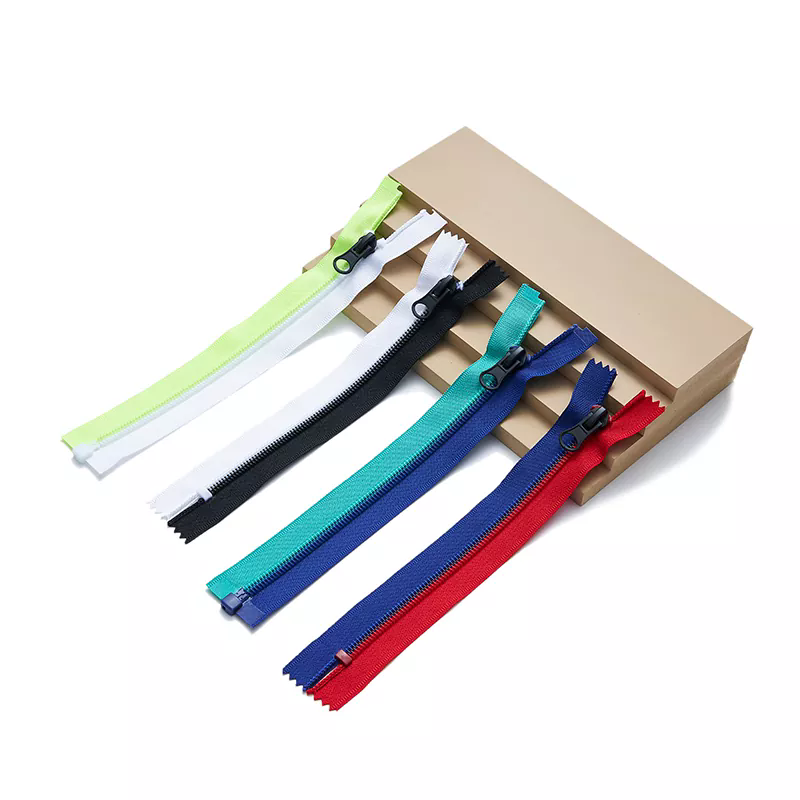
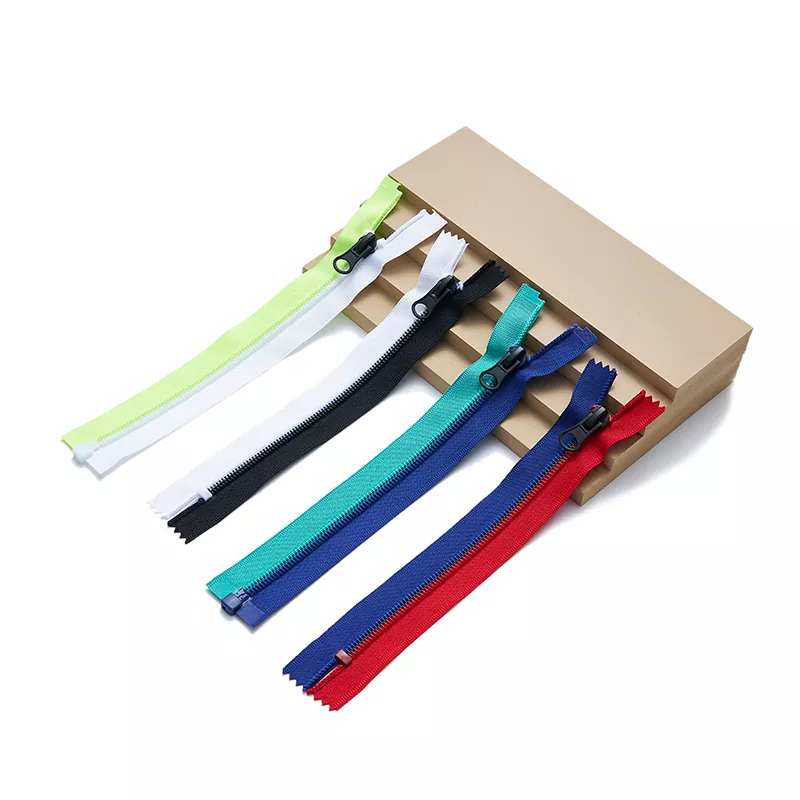
A Nylon Interlocking Zipper is designed so that two zipper sides of the same model can connect with each other, even when they differ in color or production batch. This is the key distinction from conventional zipper arrangements that rely on keeping originally matched components together.
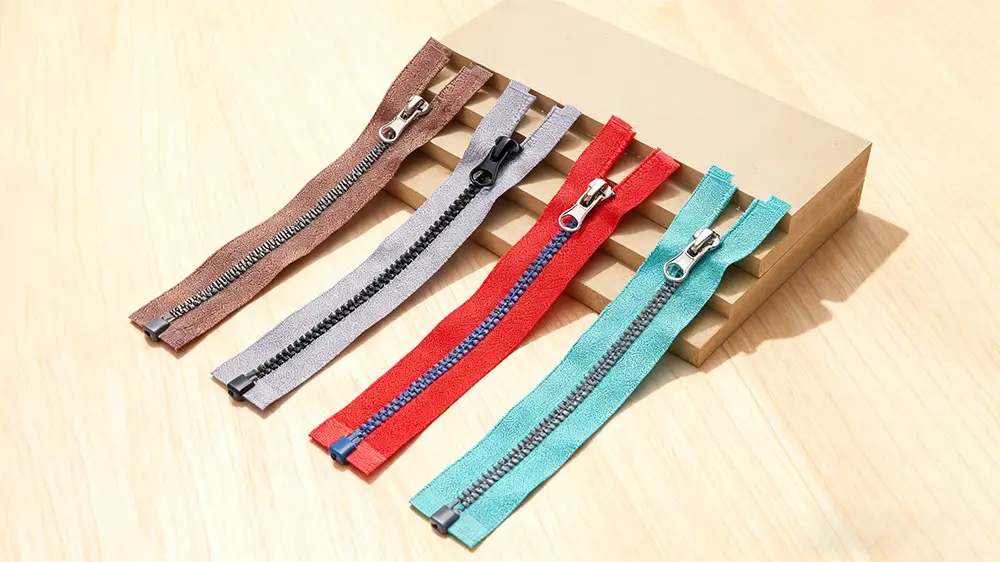
TRC combines nylon zipper tape with durable polyester teeth to provide a flexible tape structure and reliable tooth engagement. The interlocking design allows compatible zipper halves to be connected without depending on their original pairing. In practical terms, a black zipper side and a navy zipper side of the same model can be connected, provided their model specifications match.
Compatibility Depends on the Same Model
Interchangeability does not mean that every zipper can connect with every other zipper. The two sides must belong to the same compatible model. Tooth profile, chain size, and structural specifications still matter. A different size or construction should not be assumed to fit simply because the zipper looks similar.
For this reason, we recommend confirming the model number and intended zipper configuration before mass production. Color flexibility is useful, but model consistency remains the basis of reliable connection.
What Makes the Structure Useful?
- Cross-batch connection: Compatible zipper halves from different production batches can be connected.
- Color flexibility: Different color options of the same model can be combined, creating more flexibility for product assembly and replacement.
- Flexible product design: Manufacturers can consider different color combinations without changing the basic zipper model.
- Reduced dependence on original pairing: Production teams have more flexibility when handling replacement components and zipper inventory.
How Does It Improve Production and Inventory Management?
The biggest benefit of interlocking technology is not simply that two zipper sides can connect. It is that compatible components become easier to manage across production orders.
Less Sorting and Pairing Work
Traditional zipper components may need to be sorted and paired before sewing or assembly. When the same model can be connected across batches and colors, factories have more flexibility in allocating available components. This can reduce the need to preserve every original pair, although incoming inspection and model identification are still necessary.
More Flexible Inventory Use
Apparel and bag manufacturers often maintain several zipper colors for different product styles. With compatible interlocking models, available zipper halves may be used more flexibly when production plans change or replacement components are needed. This can help reduce the risk of having usable components left idle simply because their original matching halves are unavailable.
More Convenient Replacement and Maintenance
For products such as outdoor equipment, luggage, and upholstered furniture, a damaged zipper section may require repair or replacement. A compatible interlocking design can make component replacement more convenient, provided the replacement section matches the original model and construction.
| Production Concern | Conventional Zipper Arrangement | Nylon Interlocking Zipper |
|---|---|---|
| Component pairing | Original matching pairs may need to be kept together. | Compatible sides of the same model can connect across batches. |
| Color management | Color-specific pairing and sorting may be required. | Different colors of the same model can be combined. |
| Replacement components | Finding the original matching side may take additional time. | Other compatible components may provide more replacement flexibility. |
| Inventory allocation | Stock may be restricted by original pairing. | Compatible stock can be allocated more flexibly. |
| Model control | Matching specifications remains necessary. | Matching specifications remains necessary; interlocking does not make different models interchangeable. |
What Should Manufacturers Check Before Ordering?
Interlocking capability should be evaluated together with the zipper's size, construction, end type, and intended application. A zipper that connects correctly in a sample test may still need further evaluation when used with a particular fabric or finished product.
1. Confirm the Model and Chain Size
Start by confirming the zipper model, tooth profile, and chain size. TRC's nylon zipper range includes different specifications such as 3C, 3CPS, 3CLT, 3CLTI, 4C, and 5CA. These model designations should be confirmed against the product specification rather than treated as interchangeable options.
2. Select the Appropriate Zipper Configuration
Consider whether the product requires a closed-end, open-end, or two-way zipper. Jackets, bags, tents, and furniture covers have different opening and assembly requirements. The end construction should match the product design and the way the zipper will be installed.
3. Check Tape, Color, and Slider Requirements
The zipper tape should suit the fabric weight, sewing process, and appearance requirements of the finished product. Color matching is particularly important for visible garment openings and luggage panels. The slider must also be compatible with the selected chain specification to ensure smooth operation.
4. Evaluate the Finished Product, Not Just the Zipper Sample
We recommend testing the zipper after it has been sewn into the intended fabric or product structure. Fabric thickness, seam allowance, sewing tension, and installation alignment can all affect operating performance. For outdoor or heavy-duty products, additional tests under the expected load and use conditions are advisable.
| Selection Item | What to Confirm | Why It Matters |
|---|---|---|
| Model | 3C, 3CPS, 3CLT, 3CLTI, 4C, 5CA, or the specified model | Ensures the two zipper sides belong to a compatible construction. |
| Length | Finished opening length and required tolerance | Prevents installation and assembly mismatches. |
| End type | Closed-end, open-end, or two-way | Matches the opening method and product structure. |
| Tape and color | Tape material, width, color, and fabric compatibility | Supports sewing quality and finished-product appearance. |
| Slider | Slider type and compatibility with the zipper chain | Helps maintain smooth opening and closing. |
| Application testing | Repeated opening and closing, engagement, and load performance | Checks whether the zipper meets actual operating conditions. |
Where Can Nylon Interlocking Zippers Be Used?
Because nylon zipper chains are lightweight and flexible, interlocking designs can be considered for products that need convenient connection, replacement, or modular assembly. The final choice should still depend on the product's load, fabric, exposure conditions, and opening design.
Apparel and Workwear
Jackets, coats, sportswear, uniforms, protective workwear, and children's clothing may use nylon interlocking zippers where flexible color combinations or convenient component replacement are useful. For lightweight garments, the zipper tape and chain should be selected to avoid adding unnecessary bulk.
Bags, Luggage, and Outdoor Equipment
Backpacks, travel bags, luggage, tents, and outdoor equipment often involve different opening lengths and panel configurations. Interlocking zipper designs can support modular construction or replacement needs when the connected sections use the same compatible model.
Home Textiles and Upholstered Products
Mattresses, sofa covers, massage chairs, cushions, and other upholstered products may require long zipper openings or removable covers. In these applications, manufacturers should pay particular attention to zipper length, fabric thickness, sewing reinforcement, and the expected frequency of opening and closing.
Specialized Product Applications
Pet products, baby strollers, medical-related textile products, and protective equipment may also use nylon zippers. These applications can have specific requirements for strength, cleaning, material compliance, or repeated operation. The zipper should be evaluated against the finished product's applicable requirements rather than selected on compatibility alone.
How Should Compatibility and Durability Be Tested?
Interlocking capability and zipper durability are related but separate performance considerations. A zipper may connect correctly across batches, but manufacturers still need to verify that it operates smoothly and withstands the forces expected during use.
Connection and Interchangeability Testing
We recommend selecting samples from different production batches and color options of the same model. Connect the zipper sides and check whether the teeth engage evenly along the chain. The test should also cover repeated opening and closing to identify inconsistent engagement, jamming, or separation.
Reciprocation and Strength Testing
Repeated opening-and-closing tests help evaluate operating durability. TRC's product information describes reciprocation performance of over 1,000 cycles in its product advantages, while a separate parameter listing gives a value of at least 600 cycles. These figures should be understood according to their respective test conditions and product specifications, not treated as a universal guarantee for every model.
For applications involving greater tension, manufacturers should also evaluate lateral chain strength, slider retention, top and bottom stop holding strength, and other relevant mechanical properties. Test methods and acceptance limits should be agreed upon for the specific product and order.
| Test Item | What It Evaluates | Practical Check |
|---|---|---|
| Interchangeability test | Connection between zipper sides from different batches or colors | Confirm that same-model components engage correctly. |
| Reciprocation test | Repeated opening and closing performance | Check for jamming, tooth damage, and operating inconsistency. |
| 横向强度测试(Lateral Strength Test) | Resistance to transverse pulling forces | Evaluate chain separation under the specified load. |
| Slider retention test | Slider resistance to pulling off the chain | Check slider stability under the specified test method. |
| Stop holding test | Holding performance of top and bottom stops | Check whether stops remain secure during operation. |
| Finished-product test | Performance after sewing and installation | Check operation with the actual fabric and seam construction. |
How TRC Supports Nylon Interlocking Zipper Manufacturing
Wenzhou Richu Zipper Technology Co., Ltd. (TRC) began its business in 2004 with zipper machinery manufacturing and later developed into a manufacturer integrating zipper research and development, production, and sales. The company operates a factory covering approximately 7,000 square metres and employs more than 50 specialized staff members.
Our experience with zipper machinery and manufacturing processes informs how we approach product structure, production consistency, and quality control. For nylon interlocking zippers, the important point is to maintain consistent model specifications so that compatible zipper sides can connect as intended.
TRC offers customization options for zipper length, tape color, slider design, and special finishes, together with OEM and ODM services. Before confirming an order, we recommend reviewing the application, model, end type, color requirements, and sample performance together. This helps ensure that the selected zipper is suitable not only for interlocking but also for the customer's sewing process and finished product.
To learn more about the product, visit our Nylon Zipper product range or explore the TRC company profile.
Frequently Asked Questions
1. What is a Nylon Interlocking Zipper?
A Nylon Interlocking Zipper is a zipper designed so that two compatible zipper sides of the same model can connect with each other. In TRC's design, the zipper uses nylon tape and polyester teeth, with interchangeability across different colors or production batches of the same model.
2. Can two different colors of interlocking zippers connect?
Yes. Different colors can connect when both zipper sides belong to the same compatible model. The model, tooth structure, and chain size must still match. Color difference alone does not prevent connection.
3. Can zipper components from different production batches be connected?
Yes. Cross-batch connection is one of the main features of this design. However, the components must be from the same compatible model. We recommend testing samples from the relevant batches before large-scale production.
4. Does interlocking technology mean that different zipper sizes are interchangeable?
No. Interlocking compatibility does not mean that different sizes or models can be mixed freely. The two sides must meet the same model and structural specifications to ensure proper engagement.
5. Which products are suitable for nylon interlocking zippers?
Typical applications include jackets, uniforms, sportswear, bags, luggage, tents, outdoor equipment, mattress covers, massage chairs, and other textile products. The appropriate model depends on the fabric, opening design, load, and operating conditions.
6. What information should I provide when requesting a quotation?
It is useful to provide the zipper model or chain size, required length, tape color, end type, slider design, application, estimated order quantity, and any special testing or customization requirements. A product sample or drawing can also help confirm the construction before production.
7. How can manufacturers verify zipper compatibility before mass production?
Request samples of the same model from different colors or batches, connect the zipper sides, and check engagement along the full chain. Then conduct repeated opening-and-closing tests and, where necessary, evaluate the zipper after sewing it into the actual fabric or product.
Previous :
-
Related News
- Color Tip Bar Pullers Add a Refined Accent to Modern Zipper Design
- What Makes Loop Tape Puller an Essential Ergonomic Component for Modern Apparel and Gear Manufacturing?
- How Does a Metal Zipper Work?
- How Does an Invisible Explosion-proof Zipper Work?
- How Does a Nylon Interlocking Zipper Work?
- Why Traditional Nylon Zippers Struggle on Automated Production Lines?
Leave me a message


News Recommendations