How Does a Nylon Interlocking Zipper Work?
Summary
Nylon interlocking zippers are widely used in apparel, bags, outdoor gear, and industrial applications. This article explores their working mechanism, advantages, selection criteria, and common maintenance tips, helping customers understand why these zippers are preferred in many industries.
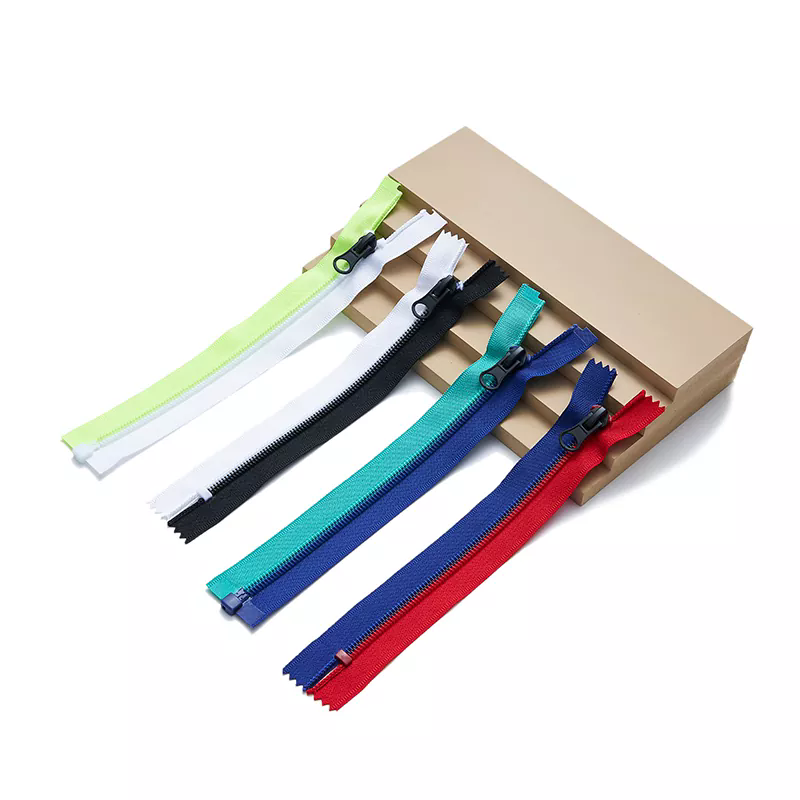
Table of Contents
- Introduction to Nylon Interlocking Zippers
- How the Zipper Mechanism Works
- Advantages of Nylon Interlocking Zippers
- Applications in Various Industries
- How to Select the Right Zipper
- Maintenance and Troubleshooting
- Frequently Asked Questions
- Conclusion & Contact
Introduction to Nylon Interlocking Zippers
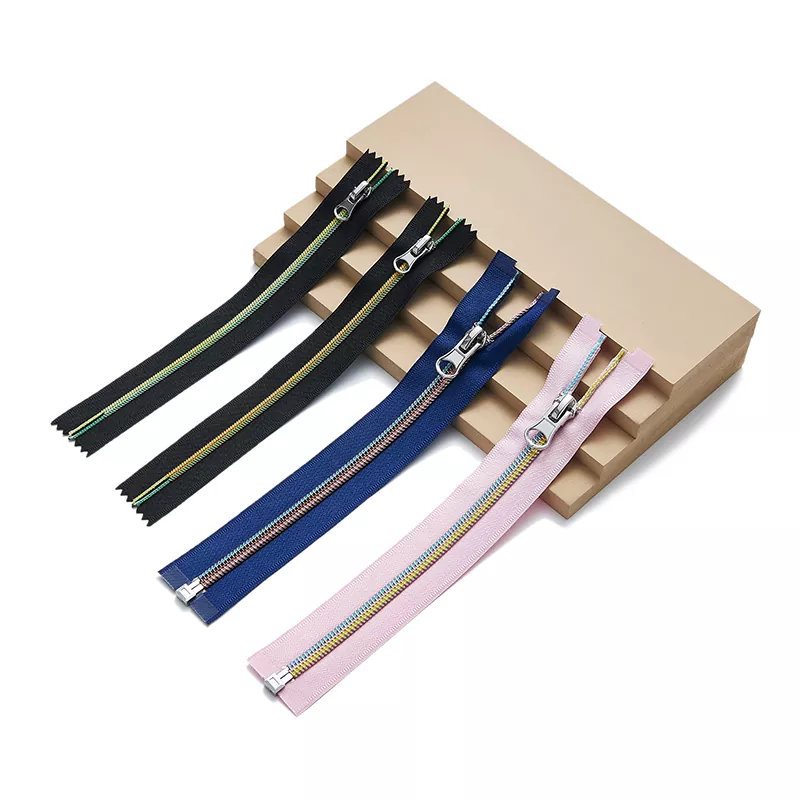
Nylon interlocking zippers are a type of zipper featuring interlocking teeth made from durable nylon material. Unlike traditional metal zippers, these zippers offer flexibility, lightweight design, and resistance to corrosion, making them ideal for a wide range of products.
They are commonly used in jackets, backpacks, tents, and even specialized equipment. Their reliability and smooth operation make them a staple in the fashion and industrial sectors.
How the Zipper Mechanism Works
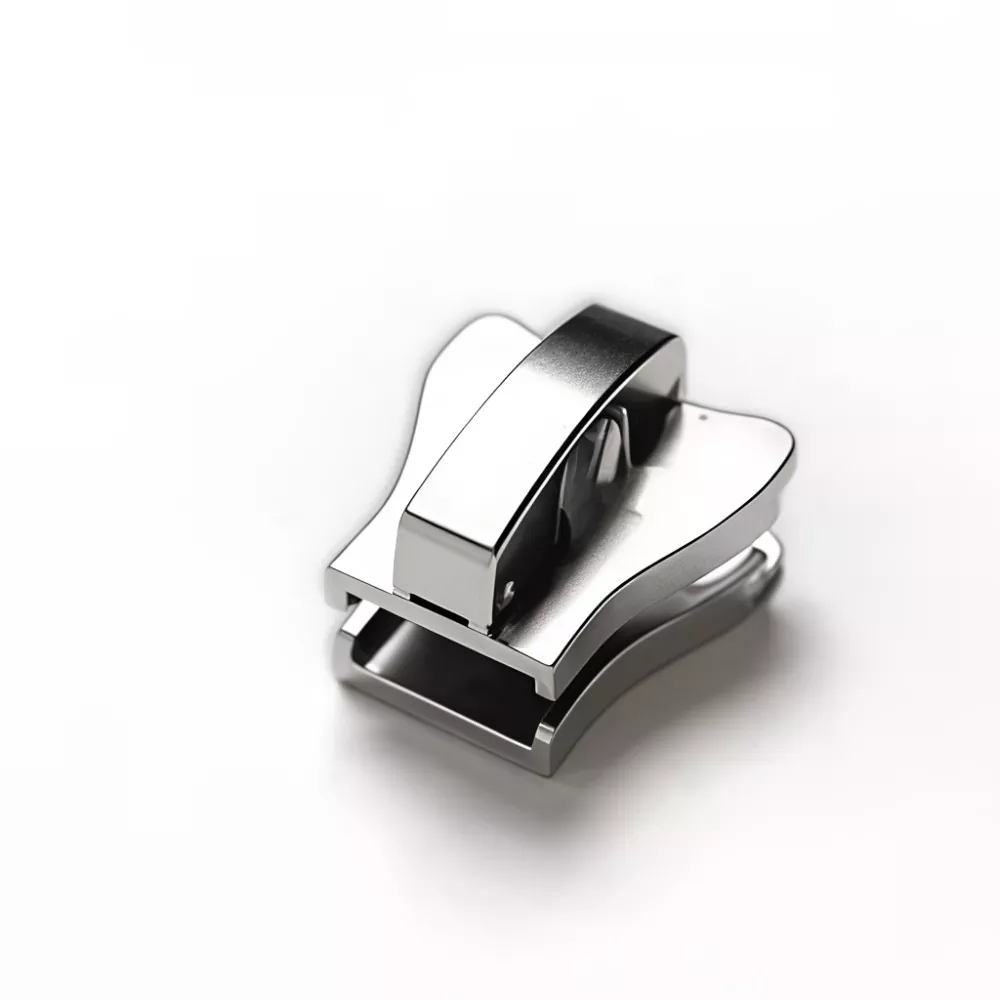
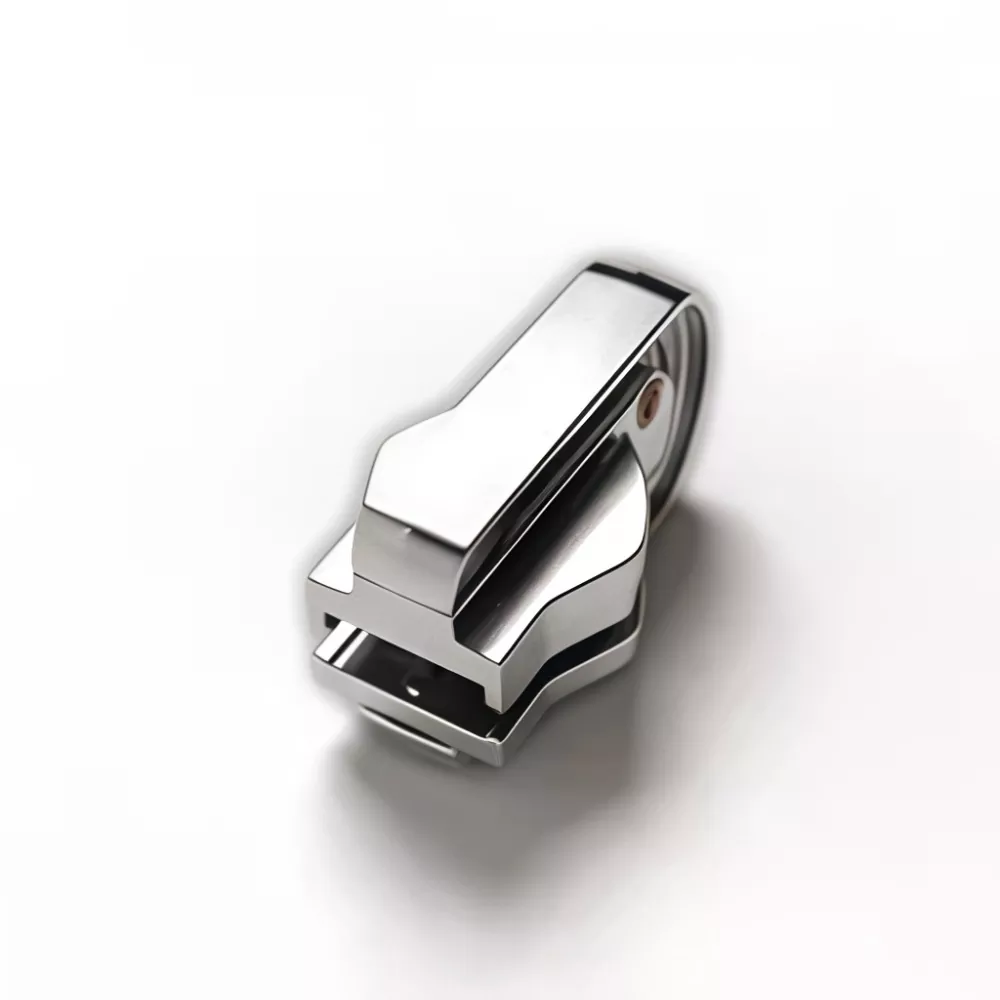
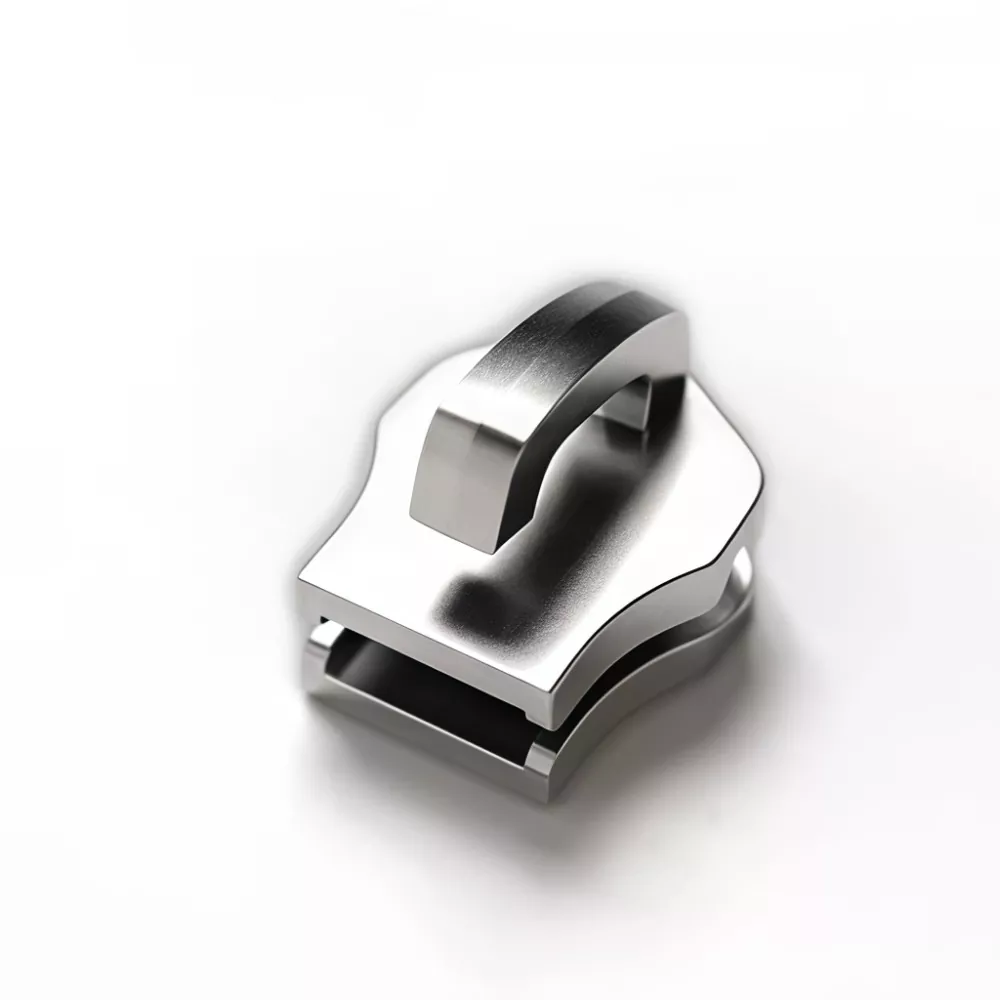
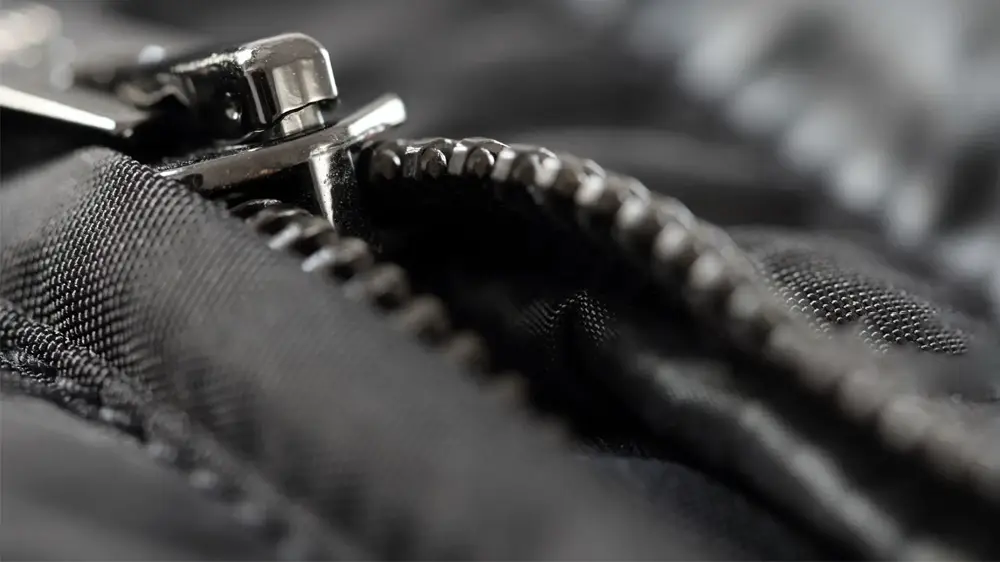
The operation of a nylon interlocking zipper relies on a slider that meshes two rows of teeth together. When you pull the slider up or down, it interlocks or separates the teeth efficiently.
Step-by-Step Process:
- Aligning: The slider aligns the two sets of teeth.
- Interlocking: The teeth are interlocked via a precise interlocking groove.
- Sliding: Smooth sliding ensures minimal resistance.
- Separation: Pulling the slider in reverse disengages the teeth.
Key Components:
| Component | Function |
|---|---|
| Teeth | Provide interlocking structure for secure closure. |
| Slider | Moves along the teeth to open or close the zipper. |
| Tape | Holds the teeth and attaches the zipper to fabric. |
| Stopper | Prevents the slider from sliding off the zipper. |
Advantages of Nylon Interlocking Zippers
Nylon interlocking zippers offer several benefits over metal or coil zippers:
- Durability: Resistant to wear, corrosion, and UV exposure.
- Lightweight: Ideal for outdoor and sportswear applications.
- Flexibility: Bends easily without losing strength.
- Smooth Operation: Reduces snagging compared to other zippers.
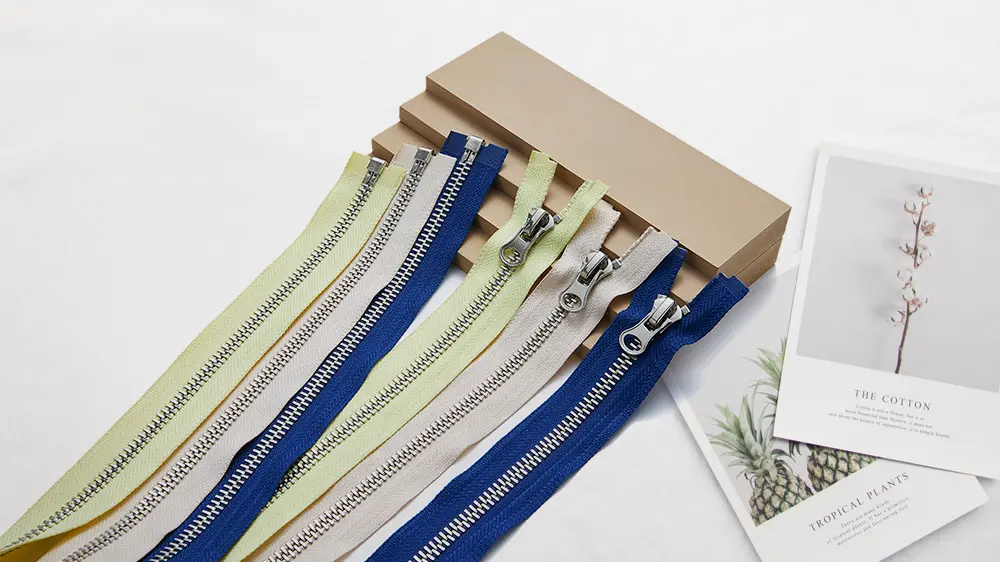
- Wide Range of Colors: Matches various design aesthetics.
Applications in Various Industries
Nylon interlocking zippers are versatile and widely used in multiple sectors:
- Fashion: Jackets, dresses, handbags.
- Outdoor Gear: Tents, backpacks, sleeping bags.
- Industrial: Safety suits, protective clothing.
- Sports Equipment: Gym bags, gear cases.
How to Select the Right Zipper
Choosing the appropriate nylon interlocking zipper depends on several factors:
Factors to Consider:
- Length: Ensure the zipper matches the garment or product dimensions.
- Teeth Size: Larger teeth provide durability; smaller teeth are lighter and smoother.
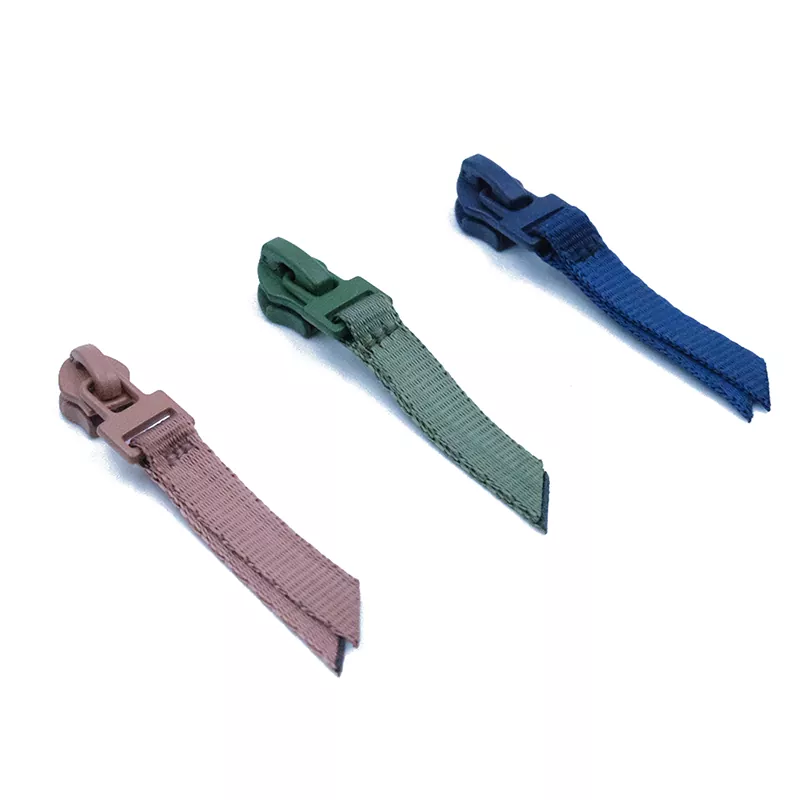
- Slider Type: Consider the application for locking or non-locking sliders.
- Color & Aesthetic: Match with product design and branding.
- Strength Requirements: For heavy-duty applications, reinforced zippers are recommended.
Maintenance and Troubleshooting
Proper maintenance ensures long-term performance of nylon interlocking zippers:
- Keep the zipper clean from dirt and debris.
- Lubricate occasionally with zipper wax or silicone spray.
- Ensure alignment before pulling the slider.
- Check for damaged teeth or misaligned sliders.
Common Issues & Solutions:
| Issue | Solution |
|---|---|
| Slider stuck | Gently lubricate and move slider slowly. |
| Teeth misaligned | Realign manually or replace damaged section. |
| Zipper separates | Check slider tension or replace slider if needed. |
Frequently Asked Questions
Q1: Can nylon interlocking zippers be used in waterproof applications?
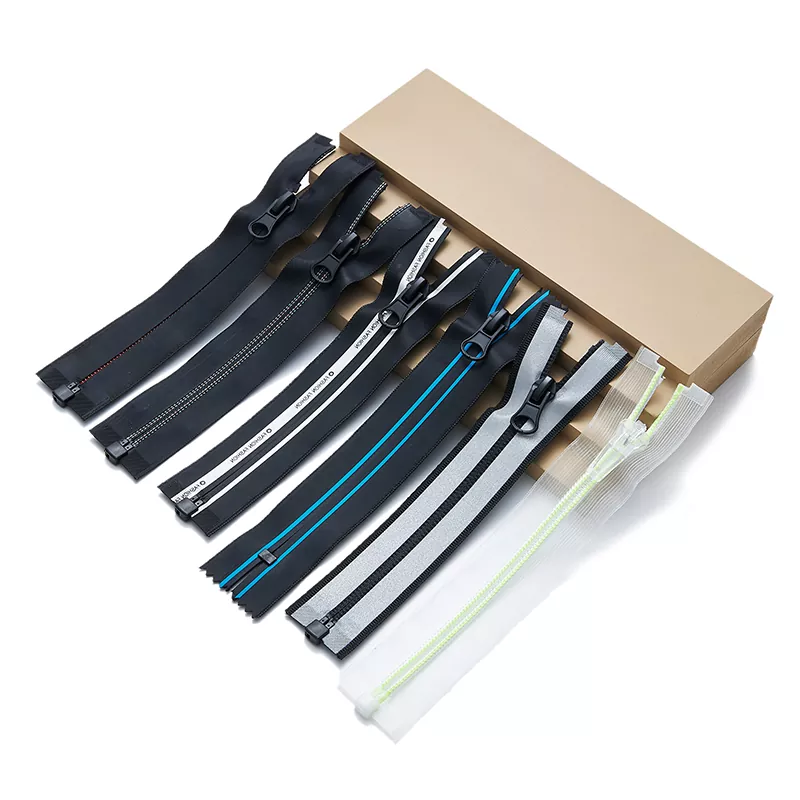
Yes, with proper sealing and coatings, these zippers can be integrated into waterproof gear.
Q2: How long does a nylon interlocking zipper last?
With normal use and maintenance, they can last several years, depending on wear conditions.
Q3: Are these zippers machine washable?
Most nylon zippers can withstand machine washing, but it’s best to follow product-specific care instructions.
Conclusion & Contact
Nylon interlocking zippers provide durability, flexibility, and smooth performance, making them a preferred choice for apparel, outdoor equipment, and industrial applications. Selecting the right type ensures optimal functionality and longevity.
TRC is your trusted supplier of high-quality nylon interlocking zippers. Explore our full range of products and contact us today
Related News
- Color Tip Bar Pullers Add a Refined Accent to Modern Zipper Design
- What Makes Loop Tape Puller an Essential Ergonomic Component for Modern Apparel and Gear Manufacturing?
- How Does a Metal Zipper Work?
- How Does an Invisible Explosion-proof Zipper Work?
- Why Traditional Nylon Zippers Struggle on Automated Production Lines?
- What Is a Waterproof Nylon Interlocking Zipper and Why Is It Essential for Modern Products?
Leave me a message