
News
We are glad to share with you about the results of our work, company news, and give you timely developments and personnel appointment and removal conditions.
 21 2026-10
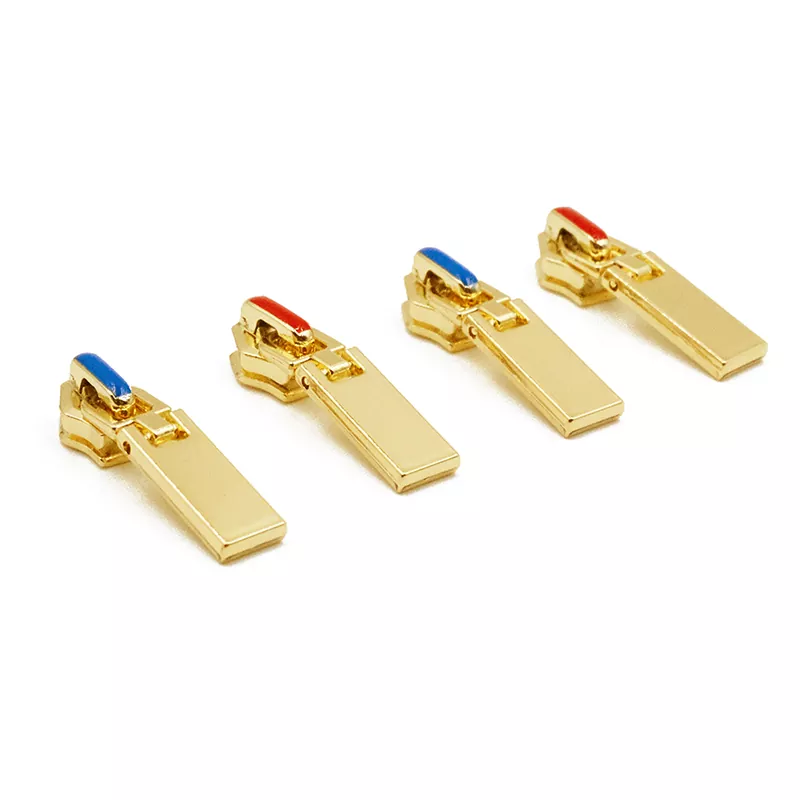
 Color Tip Bar Pullers Add a Refined Accent to Modern Zipper Design
Zipper pullers are both functional components and visible details in garments, bags and accessories. Color Tip Bar Pullers combine a streamlined metal bar with a colored accent at the tip, giving product designers another way to coordinate zipper hardware with fabric colors, trims and overall product styling.
 20 2026-08
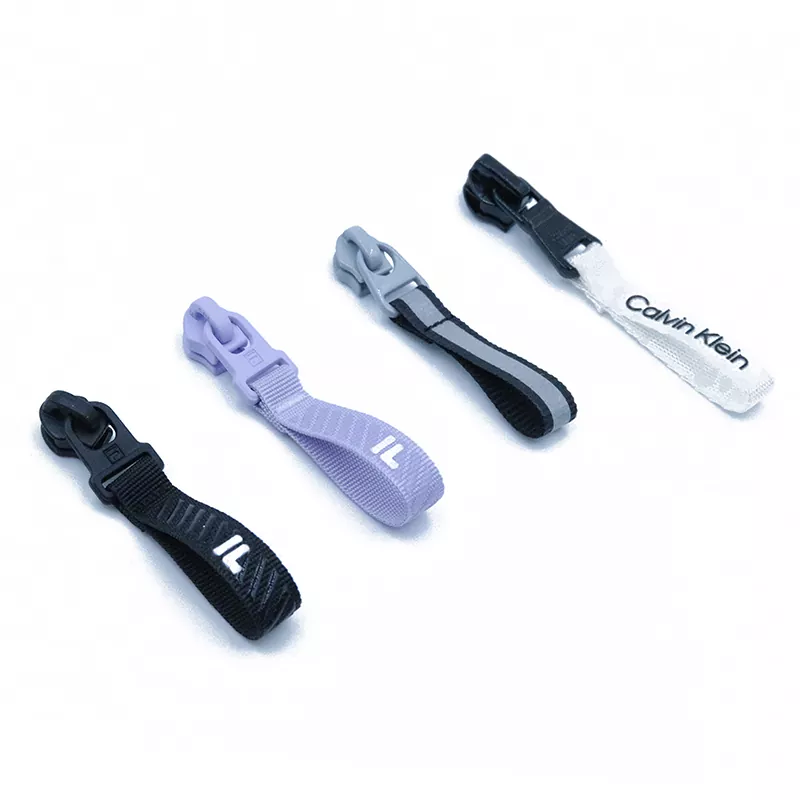
 What Makes Loop Tape Puller an Essential Ergonomic Component for Modern Apparel and Gear Manufacturing?
Every detail within finished consumer goods shapes daily user experience, even small hardware elements that many buyers overlook during product selection. Functional textile accessories redefine how people interact with jackets, backpacks, travel luggage and outdoor‑focused equipment, balancing comfortable handling against long‑term operational stability. Design teams continuously evaluate component alternatives to refine grip performance, visual harmony and real‑world durability across diverse end‑use environments.
 15 2026-05
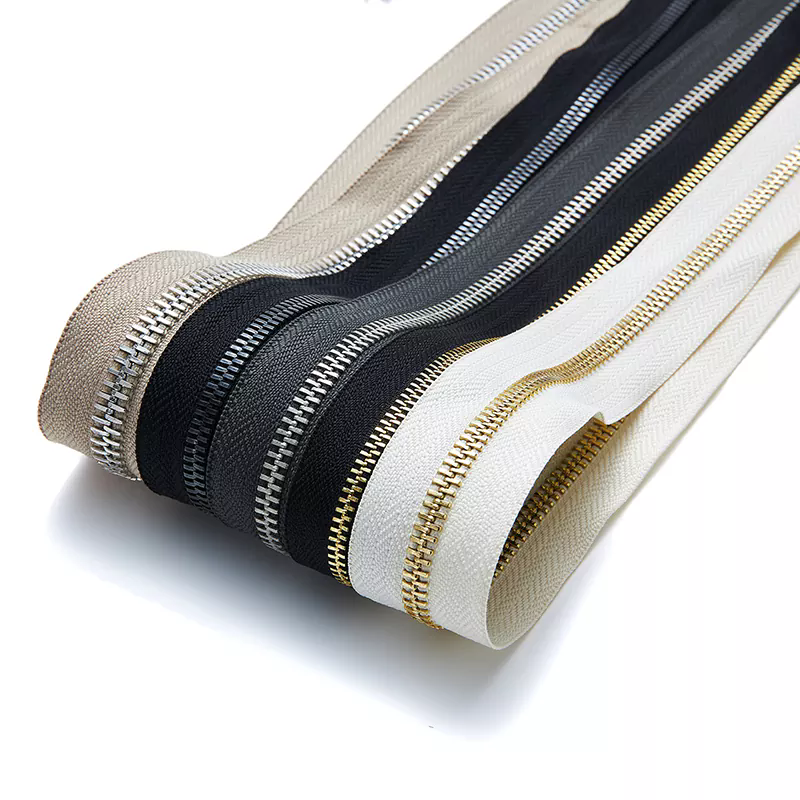
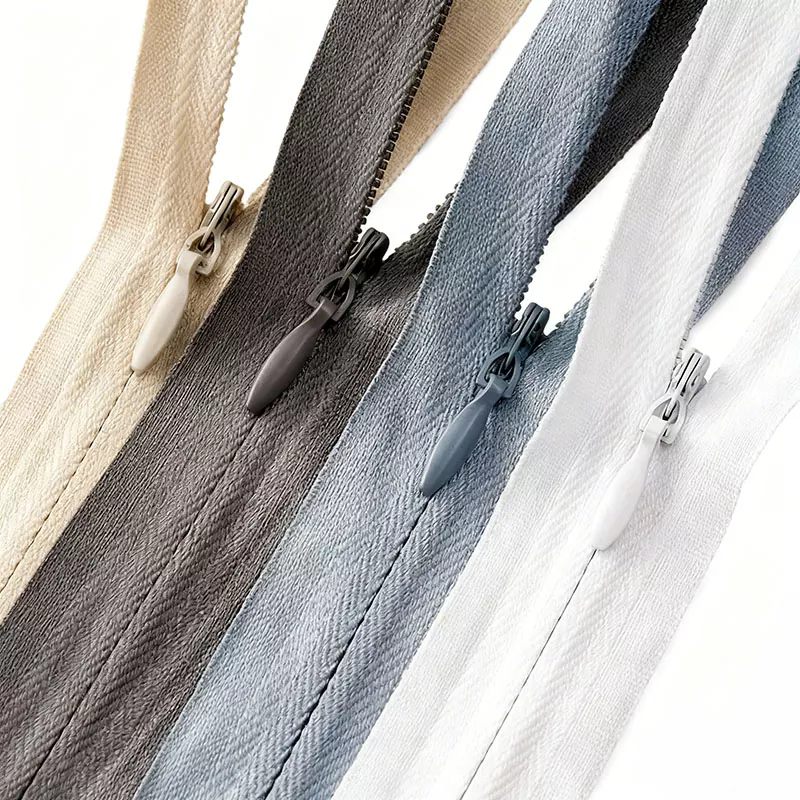
 How Does a Metal Zipper Work?
Metal zippers are an essential component in fashion, accessories, and industrial products. Understanding their design, materials, and applications can help manufacturers, designers, and consumers make informed decisions. This article explores the working mechanism, benefits, and maintenance of metal zippers while addressing common concerns and FAQs.
 30 2026-04
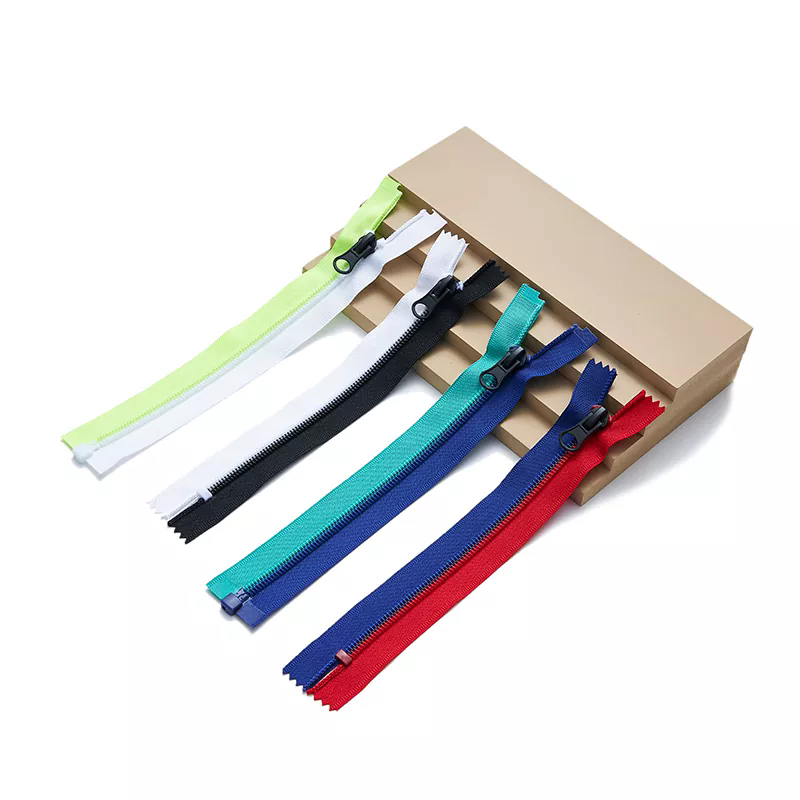
 How Does an Invisible Explosion-proof Zipper Work?
Invisible explosion-proof zippers are a revolutionary solution for industries that require both safety and aesthetic design. TRC’s latest innovation addresses common concerns such as fire hazards, durability, and integration with high-performance fabrics. This article explores the mechanics, benefits, applications, and maintenance of these zippers, offering insights for manufacturers, designers, and end-users.
 24 2026-04
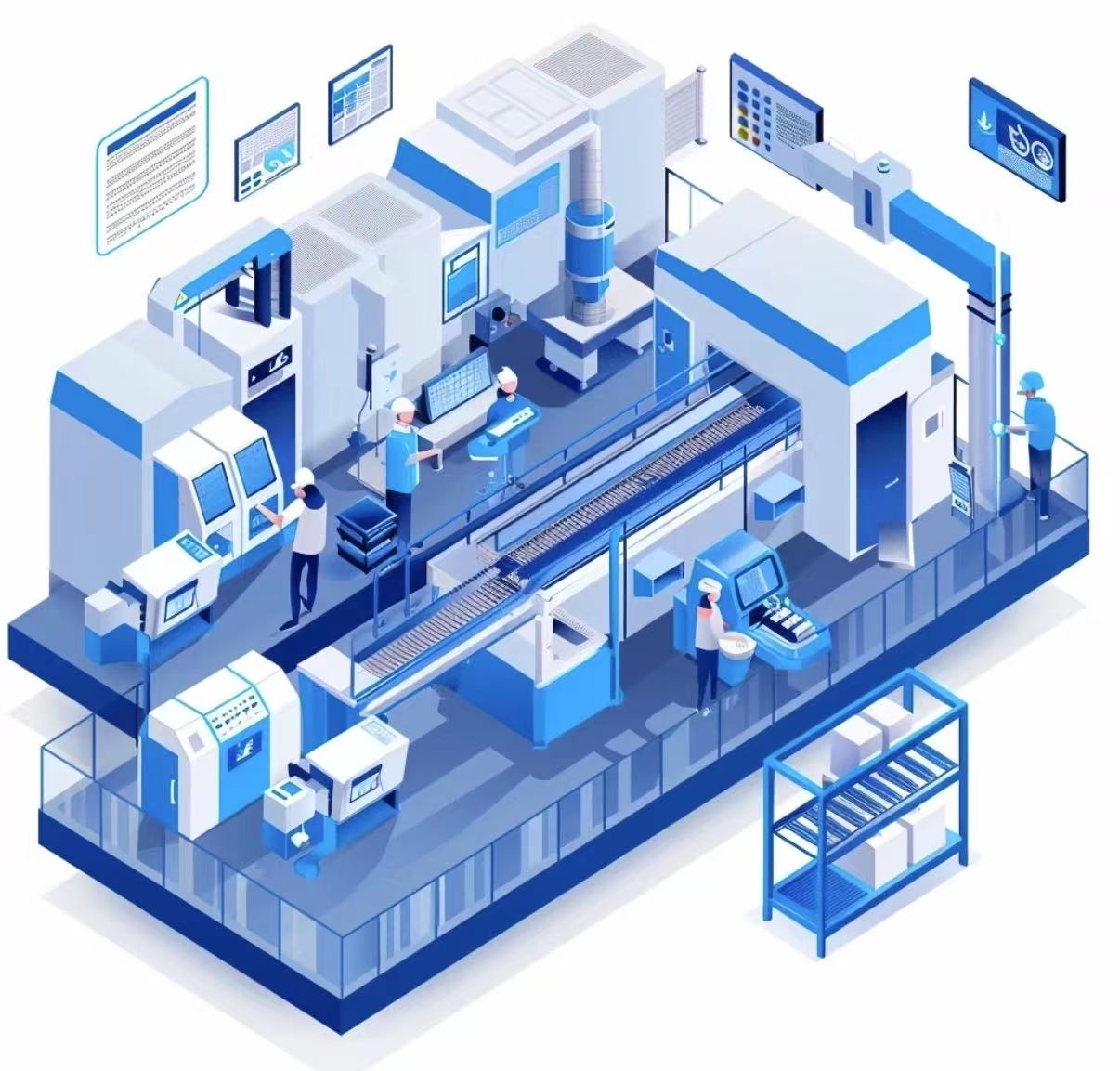
 How Does a Nylon Interlocking Zipper Work?
Nylon interlocking zippers are widely used in apparel, bags, outdoor gear, and industrial applications. This article explores their working mechanism, advantages, selection criteria, and common maintenance tips, helping customers understand why these zippers are preferred in many industries.
 18 2026-03
 Why Traditional Nylon Zippers Struggle on Automated Production Lines?
Traditional nylon zippers need manual alignment, causing errors and downtime on automated lines. TRC nylon interlocking zippers enable stable, efficient sewing for strollers, massage chairs and mattresses.