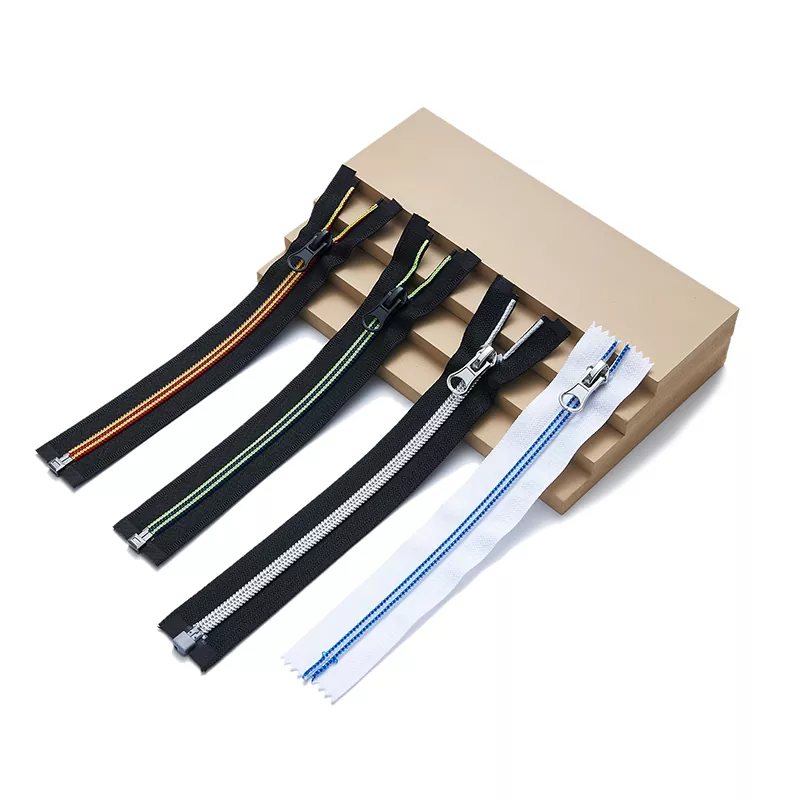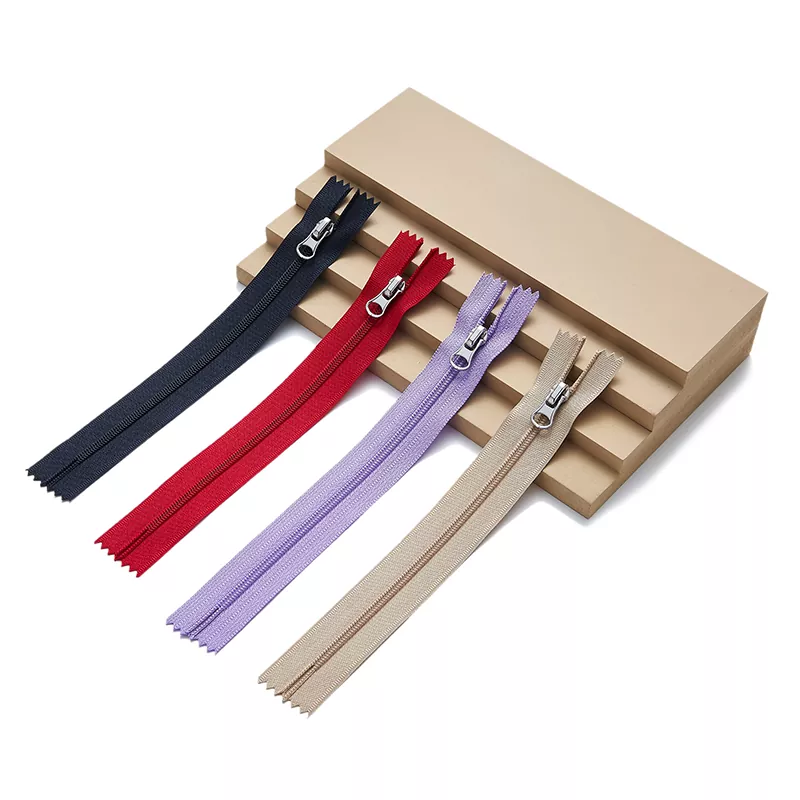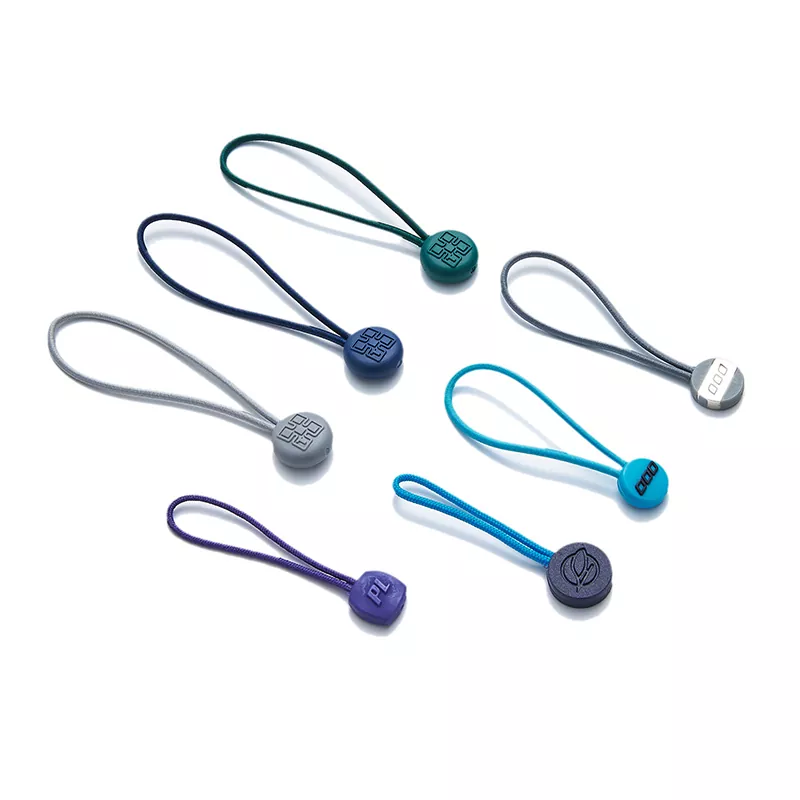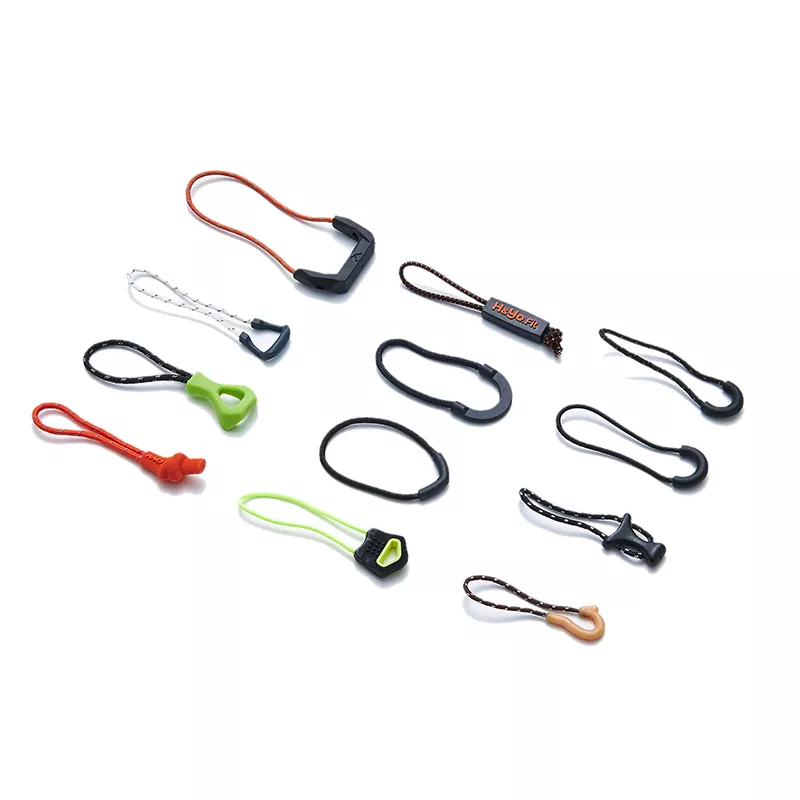
Every detail within finished consumer goods shapes daily user experience, even small hardware elements that many buyers overlook during product selection. Functional textile accessories redefine how people interact with jackets, backpacks, travel luggage and outdoor‑focused equipment, balancing comfortable handling against long‑term operational stability. Design teams continuously evaluate component alternatives to refine grip performance, visual harmony and real‑world durability across diverse end‑use environments.
Table of Contents
- 1. Understanding Ergonomic Hardware Within Textile Product Development
- 2. Core Material Characteristics Shaping Practical Field Performance
- 3. Real‑World Application Scenarios Across Multiple Product Categories
- 4. Key Design Principles For Long‑Lasting Textile Accessory Integration
- 5. Balancing Aesthetic Customization With Functional Consistency
- 6. Frequently Asked Questions About Textile Zipper Hardware
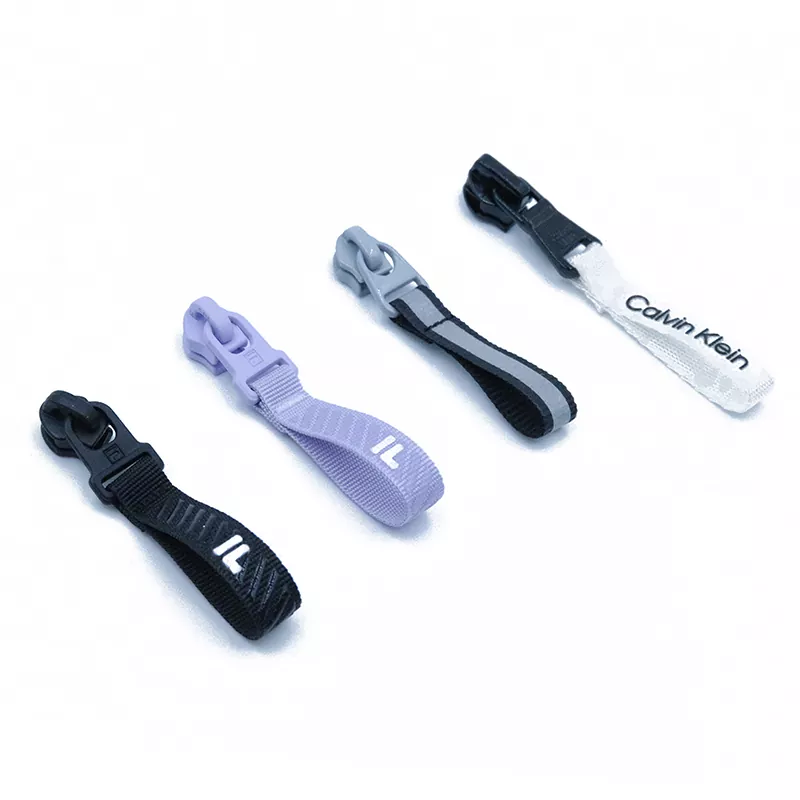
When evaluating zipper accessory performance across apparel and outdoor gear markets, Loop Tape Puller delivers tangible improvements to daily handling experiences for end‑users. Many product developers focus heavily on zipper teeth strength or slider construction, while overlooking how pull accessories influence comfort during repeated opening‑closing cycles. People wearing thick gloves, users with limited hand mobility and consumers operating products under cold or wet environmental conditions all benefit from thoughtfully engineered pull accessories. Soft‑formed loop structures eliminate sharp edges that may scratch fabric surfaces or human skin, creating safer interaction points for long‑term everyday usage. Design engineers work to balance flexible material properties against structural rigidity so components maintain shape after countless opening movements throughout product service life.
1. Understanding Ergonomic Hardware Within Textile Product Development
Ergonomics occupies a central position in modern textile hardware design, extending far beyond basic shape aesthetics. Hardware components must accommodate variable hand positioning, different grip strengths and diverse operating environments encountered by global consumers. Simple rigid small tabs often become difficult to grasp when hands are cold, gloved or damp, creating unnecessary friction between user and product.
Manufacturing teams assess multiple physical parameters before finalizing hardware specifications. Flexibility of connecting materials, resistance against repeated bending cycles, surface texture and overall component dimension all contribute toward end‑user satisfaction. Product designers must also account for assembly workflows inside production facilities; accessories should install smoothly without introducing extra complexity for factory‑floor technicians.
- Gloved‑hand operability: hardware forms that remain easy to locate and grasp with protective hand coverings
- Edge safety: rounded profiles removing sharp corners capable of damaging surrounding textile layers
- Cycle‑test stability: maintaining physical form after tens of thousands of opening‑closing movements
- Assembly compatibility: seamless fitting with standard slider hardware used throughout textile production
Product testing procedures simulate real‑life wear patterns observed among actual consumers. Environmental exposure tests include humidity fluctuation, temperature cycling and minor surface abrasion events that mirror normal item handling. Data collected from these evaluation workflows guides iterative refinement for each new hardware generation. Loop Tape Puller passes through these identical evaluation workflows before mass‑production release, verifying reliable performance for broad‑spectrum product deployment.
2. Core Material Characteristics Shaping Practical Field Performance
Material selection directly defines how textile hardware behaves across months and years of continuous usage. Nylon‑based loop constructions represent one widely adopted technical solution within this product category, bringing unique physical advantages for apparel and gear applications. Nylon demonstrates favorable tensile strength combined with natural flexible deformation capacity, allowing gentle bending without permanent structural failure.
Even premium base materials will degrade under improper formulation or poor manufacturing execution. Lower‑grade raw material sources may suffer rapid fraying, surface cracking or shape distortion after relatively few usage cycles. Quality‑focused manufacturers maintain strict incoming‑material inspection standards, screening raw batches to confirm fiber density, tensile resistance and color fastness properties before component fabrication begins.
Material‑related performance comparison overview
| Material Variant | Flexibility Level | Abrasion Resistance | Recommended Application Field |
|---|---|---|---|
| High‑grade Nylon Webbing | High | Very Good | Outdoor backpacks, travel luggage, sports apparel |
| Polyester Tape | Medium‑High | Excellent | Heavy‑duty bags, industrial‑use textile products |
| Light‑weight woven cotton | Medium | Moderate | Fashion‑oriented casual garments, short‑term usage items |
| Molded soft composite | Medium | Good | Kid‑focused products, safety‑prioritized consumer goods |
Material choices should always align with end‑product expected operating conditions. Outdoor‑oriented merchandise exposed to frequent friction or variable weather conditions requires higher‑abrasion raw material specifications. Light‑fashion apparel projects can prioritize visual texture alongside acceptable durability thresholds for their target market segment. Loop Tape Puller utilizes durable nylon compound optimized for mixed‑environment deployment, striking practical balance between soft touch and long‑term structural integrity.
3. Real‑World Application Scenarios Across Multiple Product Categories
Hardware accessories display their true value when integrated into finished consumer articles, operating within real‑world usage contexts instead of isolated laboratory testing environments. Multiple vertical product sectors benefit from loop‑style pull accessory configurations, each bringing distinct performance expectations and design requirements.
Outdoor recreation equipment
Hiking backpacks, camping gear storage pouches and alpine outerwear frequently encounter cold temperatures, moisture exposure and handling with protective gloves. Easy‑to‑grasp loop structures simplify zipper manipulation when fingertips lose fine‑motor sensitivity under low‑temperature conditions. Gear designers prioritize hardware that remains functional even after rubbing against rough rock surfaces or packed‑inside‑bag compression stress.
Everyday travel luggage and bags
Travel‑oriented bags endure constant opening, closing and physical jostling during transit. Pull accessories must withstand repeated tugs at variable angles without detachment from slider hardware. Travel consumers highly value hardware that remains simple to locate by touch, especially when digging inside over‑stuffed luggage compartments under dim lighting conditions.
Casual and functional apparel
Jackets, softshell outerwear and utility‑focused garments place textile hardware in direct contact with human skin. Absence of sharp protruding edges reduces risk of scratching skin or catching onto surrounding fabric layers during movement. Garment producers also consider washing‑cycle resilience; components should retain original shape and color after repeated washing procedures.
Each product category imposes its own unique set of constraints upon hardware developers. Component dimension, weight profile and visual styling must harmonize with surrounding article design language. Loop Tape Puller adapts well across these diverse application fields, giving product developers flexible hardware solutions for multi‑category product portfolios.
4. Key Design Principles For Long‑Lasting Textile Accessory Integration
Even high‑quality raw materials cannot guarantee satisfactory service life without thoughtful structural design and correct assembly practice. Several core design principles guide hardware creation for zipper‑equipped textile goods, applicable regardless of specific application industry.
Stable connection between pull accessory and slider hardware represents one most critical engineering points. Weak connection points cause premature detachment, rendering otherwise well‑built zipper systems partially non‑functional. Connection design must tolerate angled pulling forces, not just perfectly straight tension loads, because real‑world users rarely apply force along perfectly aligned vectors during zipper operation.
Physical dimension balancing forms another important design consideration. Excessively large loops create risk of accidental snagging on external objects; overly small loops defeat the ergonomic advantage of loop‑style construction. Design teams test multiple dimension iterations to identify sweet‑spot specifications balancing easy‑grip functionality against anti‑snag safety requirements.
Compatibility with standard slider architectures simplifies factory‑floor integration workflows. When hardware works alongside widely deployed slider formats, brands avoid custom‑only component lock‑in and maintain broader sourcing flexibility across their product lines. Production‑friendly accessory formats reduce assembly errors and support consistent output quality throughout large‑batch manufacturing cycles.
It is worth noting that TRC incorporates these multi‑faceted design considerations throughout its textile hardware development cycles, testing connection stability, dimensional suitability and cross‑format compatibility for each new hardware release before reaching global brand partners.
5. Balancing Aesthetic Customization With Functional Consistency
Modern consumer brands seek hardware that supports unified visual identity without sacrificing underlying functional performance. Customization options open creative pathways for brand differentiation, yet development teams must guard against aesthetic modifications that undermine component durability or safe handling characteristics.
Color matching stands among the most widely requested customization possibilities. Accessory colors can align with zipper tape tones, garment fabric palettes or brand‑specific signature color schemes. Surface marking solutions such as logo embossing also enable subtle brand expression on small hardware surfaces. All custom‑surface treatments must undergo validation testing confirming treatments resist rubbing‑off during normal product usage and washing cycles.
Modifying physical geometry requires careful technical review. Altering loop thickness, overall length or connection point structure may produce unintended consequences for tensile strength or anti‑snag safety. Experienced hardware engineering teams provide feedback to brand‑side designers, separating feasible aesthetic adjustments from modifications that risk real‑world product‑performance degradation.
Successful hardware customization treats visual styling and mechanical function as complementary goals rather than competing priorities. Every visual adjustment should preserve core ergonomic advantages that make loop‑form pull accessories valuable within finished consumer articles.
6. Frequently Asked Questions About Textile Zipper Hardware
Prolonged ultraviolet sunlight exposure, repeated high‑temperature washing cycles, persistent humidity and continuous abrasive friction all contribute toward gradual material aging. Product developers select material formulations according to expected end‑use environment. Articles intended for long‑term outdoor deployment require hardware built with enhanced UV‑resistance properties.
Retrofit feasibility depends on slider‑opening geometry and connecting‑ring dimensions. Many standard sliders accept compatible replacement pull accessories, though technical verification is always recommended before large‑scale retrofit projects. Some specialized slider constructions cannot accommodate aftermarket pull‑accessory installation.
Common evaluation workflows include repeated pull‑cycle durability testing, angled‑force connection‑strength assessment, color‑fastness washing tests, UV‑exposure aging trials and sharp‑edge safety inspection. These benchmark evaluations simulate real‑world stresses encountered throughout product service life.
Small textile hardware components carry disproportionate influence on end‑user product satisfaction. Design choices applied to seemingly minor accessories accumulate, shaping comfort, safety and long‑term usability for apparel, luggage and outdoor‑gear consumers worldwide. Evaluating hardware alternatives from both functional and aesthetic perspectives helps development teams deliver better‑performing finished goods for global markets.