Why Traditional Nylon Zippers Struggle on Automated Production Lines?
Nylon Zippers in Stroller, Massage Chair, and Mattress Manufacturing
In industries such as baby stroller, massage chair, and mattress manufacturing, nylon zippers are commonly used for seat covers, cushions, mattress covers, and removable textile parts. These products often require long nylon zippers, and many factories now use automated sewing machines and jig-sewing systems to increase productivity.
However, traditional nylon zipper production has a structural limitation. A zipper consists of two separate strips that must be properly aligned during manufacturing before they can form a complete zipper chain. Therefore, in traditional production processes, factories often have to manually mark or identify the two zipper strips to ensure they are correctly positioned during assembly, which greatly adds extra production steps and reduces manufacturing efficiency. Furthermore, it increases the risk of strip positioning errors, which can compromise the quality of the finished zipper. When these traditional nylon zippers are subsequently used in automated sewing machines, it can lead to feed instability or alignment problems during sewing.
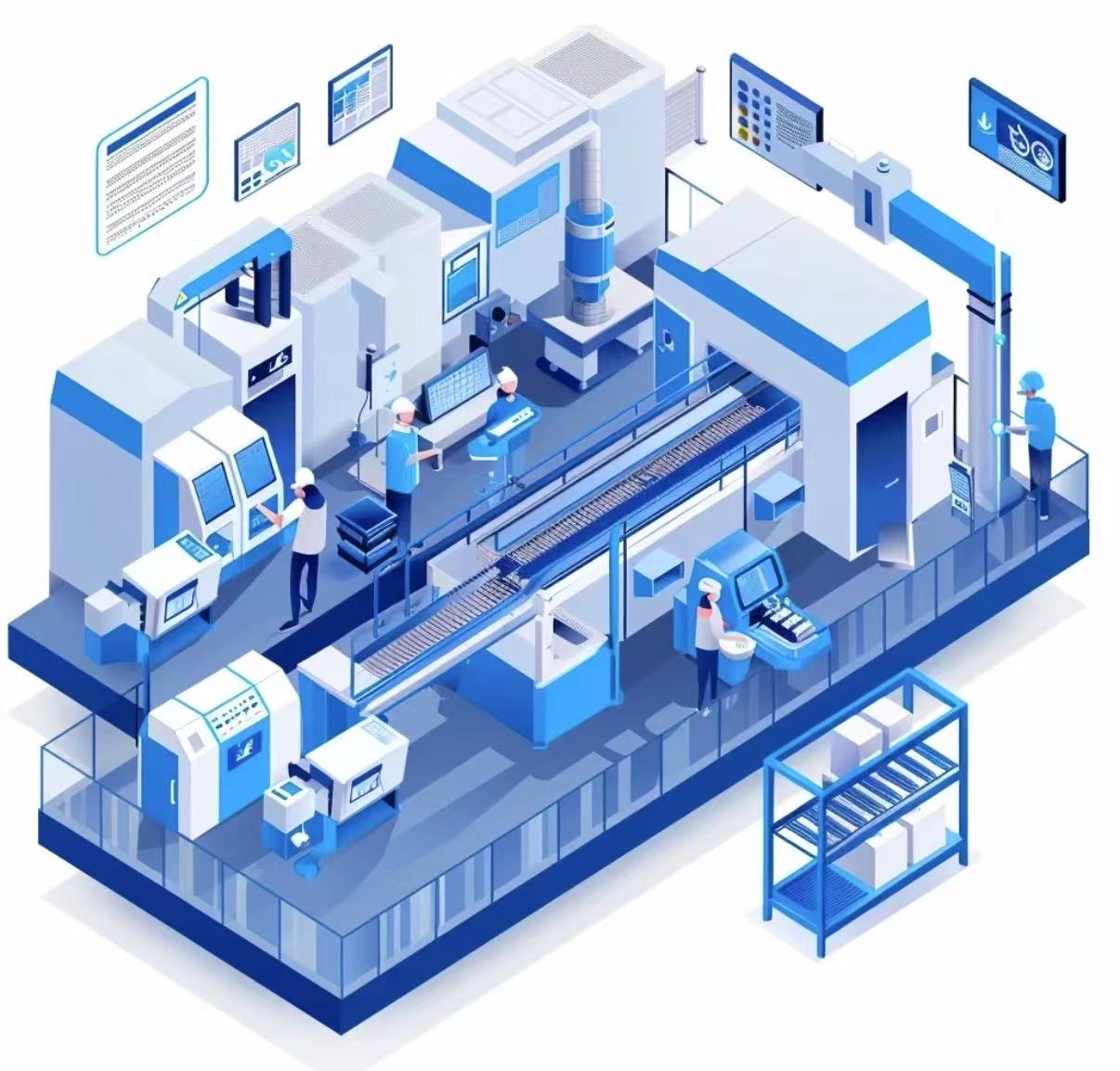
Why Automated Sewing Machines Require Consistent Zippers
Automated sewing machines require stable material parameters. For example, the width of the zipper tape, the straightness of the chain, and its alignment all affect the smoothness of its passage through industrial sewing machines.
In products such as strollers, massage chairs, mattresses, upholstered furniture, and fabric covers, manufacturers often use long industrial nylon zippers. If the zipper is mismatched, automated sewing machines may experience feeding instability, alignment deviation, or machine interruptions.
Therefore, for automated production lines, zipper consistency is critical to maintaining stable sewing performance.
Nylon Interlocking Zippers for Automated Sewing
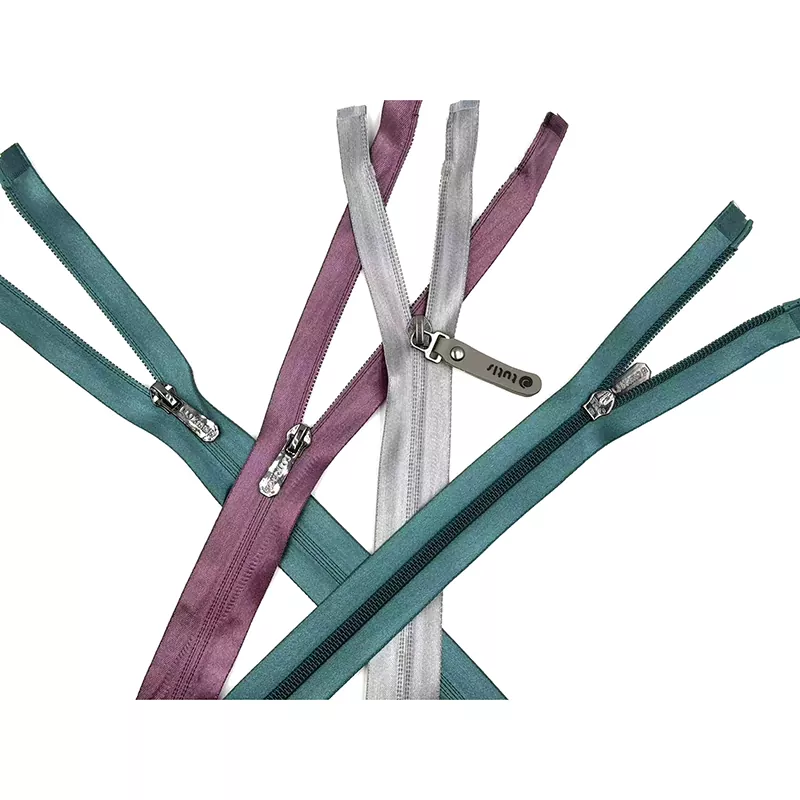
To improve production stability, TRC have developed nylon interlocking zipper designs. This structure allows for free matching and reassembly of zippers from different batches of the same model, while avoiding twisting, misalignment, or tooth mismatch. This design eliminates the need for manual sorting and marking during product use, significantly increasing production efficiency and making it more suitable for automated and intelligent manufacturing processes. Furthermore, if one side of the zipper is damaged, only that side needs to be replaced, which ensures full product functionality. This design can reduce material waste, lowers maintenance costs, and eases the workload for customer service.
Compared to conventional nylon zippers, nylon interlocking zippers offer more reliable performance on automatic sewing machines, jig-type sewing machines, and industrial sewing systems. Their robustness makes them frequently used in products such as stroller covers, massage chair covers, mattress covers, and industrial textiles.
At TRC Zipper, we focus on producing high consistency nylon interlocking zippers designed for automated manufacturing environments, helping manufacturers improve sewing stability and production efficiency.
Related News
- Color Tip Bar Pullers Add a Refined Accent to Modern Zipper Design
- What Makes Loop Tape Puller an Essential Ergonomic Component for Modern Apparel and Gear Manufacturing?
- How Does a Metal Zipper Work?
- How Does an Invisible Explosion-proof Zipper Work?
- How Does a Nylon Interlocking Zipper Work?
- What Is a Waterproof Nylon Interlocking Zipper and Why Is It Essential for Modern Products?
Leave me a message